How to Store Popping Boba After Opening: 6 Easy Tips
Want to preserve that satisfying “pop” with every bite?
Learning how to store popping boba properly after opening is essential for maintaining its texture and quality.
After opening, popping boba should be refrigerated and protected from excess moisture, contaminants, and prolonged exposure to air. Follow these six storage tips to help each pearl stay plump and release its flavor naturally when bitten.
1. Refrigerate After Opening
Once opened, popping boba should be stored in the refrigerator and should not be left at room temperature for extended periods.
2. Keep the Original Storage Liquid
The original storage liquid plays an important role in maintaining the condition of the popping boba. Do not drain it completely after opening.
Make sure the pearls remain fully submerged in the original liquid. If they are exposed above the liquid for too long, their appearance and texture may be affected.
3. Use Clean, Dry Utensils
Always use a clean, dry spoon, scoop, or other utensil when serving popping boba.
Do not place utensils that have come into contact with beverages, saliva, water, or other foods directly into the container. This helps reduce the risk of introducing excess moisture or contaminants into the product.
4. Reseal Immediately After Each Use
After serving, reseal the container immediately and return it to the refrigerator.
Proper sealing reduces prolonged exposure to air and helps prevent the popping boba from absorbing odors from other foods in the refrigerator. If the original packaging cannot be securely resealed, transfer the popping boba and its original storage liquid to a clean, airtight, food-grade container.
5. Do Not Freeze Popping Boba
Freezing popping boba is not recommended.
The freezing and thawing process may damage the outer membrane, causing the pearls to deform, rupture, or lose their signature bursting texture. Refrigeration is sufficient after opening.
6. Consume Within One Week of Opening
For the best quality and texture, we recommend consuming popping boba within one week of opening.
Common Storage Mistakes
The following practices may affect the condition and quality of popping boba:
Draining all of the original storage liquid
Using wet utensils or utensils that have come into contact with beverages
Leaving the product at room temperature for extended periods after opening
Failing to reseal the container immediately after use
Storing popping boba in the freezer
Mixing different batches or flavors in the same container
Frequently Asked Questions About Storing Popping Boba
Q1: Does popping boba need to be refrigerated after opening?
Yes. Once opened, popping boba should be tightly sealed and refrigerated. Avoid leaving it at room temperature for extended periods, and return it to the refrigerator as soon as possible after each use.
Q2: Can I drain the storage liquid or replace it with water?
This is not recommended. The original storage liquid helps maintain the condition of the popping boba, so the pearls should remain submerged in it. Do not replace the original liquid with water, beverages, or any other liquid.
Q3: Can popping boba be transferred to another container?
If the original packaging cannot be securely resealed, the popping boba and its original storage liquid may be transferred to a clean, dry, airtight, food-grade container. Take care not to introduce water, beverages, or other food ingredients during the transfer.
Q4: Can popping boba be frozen to extend its shelf life?
Freezing is not recommended. Freezing and thawing may damage the outer membrane, causing the pearls to rupture, deform, or lose their signature bursting texture.
Q5: How long can popping boba be stored after opening?
For the best quality and texture, we recommend consuming it within one week of opening. As formulations and packaging may vary between products, always follow the storage instructions and shelf-life information provided on the product packaging.
Q6: How should beverage shops and restaurants manage opened popping boba?
Clearly label the container with the opening date, use dedicated clean and dry utensils, and reseal and refrigerate the product immediately after each use. Establishing consistent handling and storage procedures can also help maintain reliable product quality with every serving.
Proper Storage Preserves the Complete Popping Experience
The outer membrane and storage liquid work together to maintain the condition of each pearl. Refrigerating the product after opening, keeping the original storage liquid, using clean and dry utensils, resealing it immediately, and avoiding freezing will help the popping boba stay plump and retain its satisfying burst when bitten.
Actual storage instructions and shelf life may vary by product, so always follow the information provided on the packaging. Beverage shops, restaurants, dessert shops, and other foodservice businesses should also establish clear opening-date labeling and handling procedures to maintain consistent product quality with every serving.
Where to buy : Amazon USARainboba TaiwanLearn more about Tachiz:About TachizPopping BobaLinkedIn
5mm vs. 10mm Popping Boba: Which Size Is Right for Your Product?
Choosing between 5mm vs 10mm popping boba affects far more than pearl diameter: it changes the bursting sensation, the look of the finished product, and which straws, bottles and cups will work. This guide from Tachiz, a Taiwan popping boba manufacturer, compares both sizes to help you choose the right one for your drinks, desserts and RTD products.
5mm vs 10mm Popping Boba: What Is the Difference?
The difference between these two sizes goes beyond diameter. Each size creates a different eating experience, visual effect, and range of product applications.
10mm Standard: a more noticeable burst from each pearl, larger and more eye-catching pearls, usually requires a wider straw, and suits handcrafted drinks, frozen desserts, and yogurt cups where the pearls should be a prominent textural highlight.
5mm Mini: more pearls per mouthful for an even texture, a refined and lightweight appearance, compatible with standard straws, and suits RTD bottled drinks and refined plating where the pearls should blend evenly into the overall experience.
What Products Are Suitable for 10mm Popping Boba?
Standard 10mm popping boba works best when consumers should immediately notice the pearls. Its larger size creates visible layers in transparent drinks and delivers concentrated bursts when consumed.
Potential applications include:
Handcrafted and made-to-order drinks
Yogurt cups and fruit cups
Ice cream, shaved ice, frozen desserts
Pudding, panna cotta, chilled desserts
Foodservice products requiring noticeable decorative elements
Important consideration: 10mm popping boba typically requires wider straws. Product testing should include the beverage formula, cup lid, and straw to ensure smooth consumption.
What Products Are Suitable for 5mm Popping Boba?
Smaller 5mm popping boba allows consumers to enjoy more pearls per mouthful, distributing the bursting sensation evenly throughout products. This creates a lighter, more refined, continuous textural experience compared to the stronger individual burst of standard sizes.
Suitable applications to evaluate include:
RTD bottled beverages
Drinks with standard straws
Yogurt, pudding, panna cotta
Ice cream and chilled desserts
Fine dining and decorative plating
Products designed for even pearl distribution
The smaller size doesn't guarantee compatibility with every bottled product. Development should still evaluate bottle openings, cap structure, beverage viscosity, filling processes, and intended drinking methods.
How Do You Choose the Right Popping Boba Size?
1. Should the Popping Boba Be the Main Feature or Part of the Overall Texture?
Choose 10mm when consumers should clearly see and experience each pearl. Select 5mm if the bursting sensation should distribute evenly without overpowering the product.
2. How Will Consumers Enjoy the Product?
Made-to-order beverages with wide straws offer more flexibility. For products consumed with standard straws, directly from bottles, or packaged beverages, 5mm may be the better starting point.
3. What Are the Product's Packaging and Texture?
Bottle openings, straw diameters, cup lid openings, and beverage viscosity all affect smooth consumption. High-viscosity products like yogurt and smoothies flow differently than tea or carbonated beverages, requiring formula-specific testing.
What Else Should Be Tested During Product Development?
Size represents only the initial consideration. Testing should also include:
Bottle or cup lid opening dimensions
Straw diameter compatibility
Beverage viscosity and flow characteristics
Amount of popping boba added
Pearl distribution inside packaging
Intended consumption method
Formula, packaging materials, storage conditions
Identical-sized popping boba may perform differently across various formulas. Application testing determines whether texture, appearance, and consumption ease support intended product positioning.
Frequently Asked Questions
Can 5mm Popping Boba Always Be Used with a Standard Straw?
The smaller size makes 5mm popping boba more suitable for standard straws. However, straw diameter, beverage viscosity, and quantity must still be evaluated. Testing with actual cup lids and straws before mass production remains essential.
Should I Choose 5mm or 10mm Popping Boba for an RTD Bottled Beverage?
5mm popping boba often serves as a suitable starting point due to its compatibility with bottle openings and direct drinking formats. Final selection should be confirmed based on bottle opening, packaging structure, formula, and filling conditions.
Can Only 5mm Popping Boba Be Used in Desserts?
No. The appropriate size depends on intended experience. Use 10mm for strong visual presence and noticeable bursts; choose 5mm for refined plating, evenly distributed texture, or multiple pearls per mouthful.
Can 5mm and 10mm Popping Boba Be Used in the Same Product?
Both sizes can be tested together as a product concept. However, they create different eating rhythms, distributions, and visual effects. Success depends on product positioning, consumption method, and packaging conditions.
Related reading:How Is Popping Boba Made? · How to Store Popping Boba After Opening
Start with Size to Design a Better Textural Experience
10mm popping boba creates strong visual presence and noticeable bursts, while 5mm provides refined, evenly distributed, flexible experiences. Neither size is inherently superior—the right choice supports your product concept. Tachiz assists beverage, dessert, yogurt, and RTD teams in evaluating suitable sizes and applications for texture innovation solutions.
What Are Oil-Filled Popping Pearls? The Interactive Element That Completes a Modern Dish with One Bite
Oil-filled popping pearls represent a shift in modern cuisine philosophy. Rather than presenting complete flavor profiles upon plating, these ingredients allow chefs to orchestrate flavor timing, giving guests an active role in the dining experience.
undefined
What Are Oil-Filled Popping Pearls?
Oil-filled popping pearls consist of flavored oils enclosed in an edible membrane that remain intact until bitten. Options include chili oil, wasabi oil, and other specialty formulations. The delayed-release mechanism creates distinct flavor progressions—guests might initially taste sashimi's sweetness or beef's roasted notes, then experience sharp wasabi or numbing chili sensations after rupturing the pearl.
undefined
How Are Oil-Filled Popping Pearls Different from Traditional Oil Drizzling?
Traditional drizzling distributes flavor immediately upon serving, potentially causing premature flavor blending. Oil-filled pearls enable chefs to control the timing of flavor release, determining when aromas appear and what guest actions activate them. This transforms static presentations into progressive experiences shaped by eating order.
Different Ways of Eating Create Different Flavor Experiences
Guests can consume pearls independently, combine them with specific ingredients, or pair different varieties across the plate. Each approach yields distinct sensory outcomes, positioning diners as active participants completing the chef's intended experience.
Pairing Suggestions
Wasabi varieties suit seafood, Japanese cuisine, and cold appetizers—particularly sashimi, scallops, and white fish—preserving delicate natural flavors while adding interactive seasoning.
Chili varieties complement beef, duck, chicken, and Asian-inspired dishes, allowing umami notes to develop before spice activation.
undefined
How Oil-Filled Popping Pearls Enhance Interaction in a Dish
Beyond flavor delivery, these pearls fundamentally shift guest agency. Rather than passively receiving predetermined tastes, diners actively participate through pairing choices and the moment of rupture, creating memorable, shareable experiences.
undefined
More Than Plating—A Culinary Design Tool
Oil-filled pearls function as comprehensive culinary instruments integrating aroma, texture, visual presentation, eating sequence, and interaction. By controlling placement, quantity, and pairings, chefs orchestrate flavor arcs while preserving oil impact for concentrated mouth-burst delivery.
What Desserts Go Well with Popping Boba? 4 Best Popping Boba Desserts
Popping boba desserts are one of the easiest ways to turn an ordinary sweet into a memorable, interactive treat. From creamy puddings to light almond tofu, the right popping boba pairing adds bursting texture, vivid color, and fresh fruit flavor to every spoonful. Below are four proven popping boba dessert ideas, plus practical tips for choosing flavors for your own menu.
Why Is Popping Boba a Great Addition to Desserts?
Small popping boba pearls provide four distinct values:
1. Create an Interactive Bursting Texture
The soft outer membrane releases flavored liquid when bitten, creating texture contrasts different from traditional cake, pudding, or ice cream.
2. Enhance the Visual Appeal of Desserts
Colorful, glossy pearls serve as natural focal points for photography and social media sharing across display cases and storefronts.
3. Expand Flavor Possibilities
Fruit-flavored variants pair well with creamy, tea-based, nutty, and Asian-inspired desserts, enabling seasonal specials without complete redesigns.
4. Add a New Highlight to Existing Products
Familiar vanilla ice cream or coconut pudding can transform into new concepts simply by selecting appropriate boba flavors.
4 Recommended Popping Boba Dessert Pairings
Mango Popping Boba × Coconut Milk Pudding
Tropical fruitiness blends with smooth creaminess, creating Southeast Asian-inspired flavor. Golden mango pearls contrast visually against white pudding, suitable for summer specials, hotel buffet stations, and takeaway cups. The burst releases fruit flavor, adding a lively and juicy texture.
Mango popping boba × coconut milk puddingPassion Fruit Popping Boba × Vanilla Ice Cream
Rich vanilla ice cream pairs with distinctive sweet-and-tart passion fruit, creating clear flavor contrast. Perfect for ice cream shops, cafés, children's meals, sundaes, and self-service dessert bars.
Passion fruit popping boba × vanilla ice creamLychee Popping Boba × Almond Tofu
Delicate floral and fruity aroma naturally complements light, silky almond tofu without overpowering original character. Ideal for Chinese restaurants, wedding banquets, hotel presentations, and fine-dining contexts.
Lychee popping boba × almond tofuLemon Popping Boba × Black Tea Chiffon Cake
Gentle tea aroma meets bright citrus notes for lighter, refreshing overall flavor. Suited to bakeries, cafés, afternoon tea sets, and seasonal desserts.
Lemon popping boba × black tea chiffon cake
What Other Desserts Can Be Made with Popping Boba?
How to Choose the Right Popping Boba Flavor for Desserts
Choose According to Main Flavor: Rich creamy desserts pair with tart options like passion fruit or lemon; lighter desserts suit fruit-forward flavors like lychee or mango.
Use Color for Visual Contrast: White or light-colored desserts pair with yellow, orange, or pink pearls; darker cakes benefit from brightly colored options.
Adjust Flavors by Season: Spring features lychee and floral-fruit; summer showcases mango, passion fruit, and lemon; autumn/winter emphasize tea, chocolate, or festive themes.
Popping Boba as Interactive Element
Beyond flavor addition, popping boba allows consumers to see colorful pearls, experience texture variation per spoonful, bite through delicate membranes, and enjoy instant flavor bursting. This sensory experience improves product playfulness, differentiation, and social sharing potential.
Colorful popping boba pearls add a bursting finish to gelato and pudding
Frequently Asked Questions
Can popping boba be added directly to desserts?
Yes, without cooking. After opening, add directly to ice cream, pudding, yogurt, cakes, and chilled desserts per usage instructions.
Which desserts pair best with popping boba?
Ice cream, pudding, yogurt, panna cotta, almond tofu, chiffon cake, mousse, and chilled dessert cups excel. Smooth, soft desserts particularly highlight bursting texture contrast.
Can popping boba be used in seasonal menus?
Yes, by changing fruit flavors, colors, and presentations seasonally—mango coconut pudding or passion fruit ice cream for summer; lychee almond tofu for spring.
What value can popping boba offer food brands?
Enhanced visual recognition, flavor variety, interactive texture, and social media appeal, enabling extension of existing products into new flavors, seasonal concepts, or limited editions.
What Is Popping Boba? Ingredients, Benefits & Uses | Tachiz
Popping boba is a fun, spherical food topping known for its surprising texture. It is also commonly referred to as Popping Boba, Bursting Boba, Popping Pearls, Juice Balls, or Coating Juice.
Each popping boba pearl features a thin, soft outer membrane that contains fruit juice or another flavored liquid. With a gentle bite, the membrane instantly bursts in the mouth, releasing a sweet and juicy filling. This distinctive bursting sensation is also the main difference between popping boba and traditional tapioca pearls.
The Technology and Ingredients Behind Popping Boba
The production of popping boba is based on reverse spherification, a technique commonly associated with molecular cuisine.
During production, sodium alginate reacts with calcium lactate through a cross-linking process, forming a thin gel membrane around the surface of each liquid droplet. This membrane encapsulates the liquid filling while allowing the center to remain fluid.
Sodium alginate is a food ingredient derived from seaweed and is commonly used as a thickener, stabilizer, and gelling agent. Calcium lactate or calcium chloride provides the calcium ions required to form the outer membrane.
The membrane must offer the right balance of softness and strength. It needs to withstand production, packaging, transportation, and handling while remaining delicate enough to burst easily when bitten, creating the signature popping boba experience.
Why Is Popping Boba Stored in Syrup?
Commercial popping boba is usually immersed in a liquid called preservation syrup.
The syrup helps:
Maintain moisture and softness
Preserve the shape of the pearls
Prevent the pearls from sticking together
Support sweetness and flavor
Keep the outer membrane flexible
When popping boba is left outside the syrup for too long, its surface may gradually become wrinkled, dry or deformed. Keeping the pearls covered with preservation syrup is therefore important for maintaining their quality.
Popping Boba vs. Tapioca Pearls
Although both products are popular beverage toppings, popping boba and tapioca pearls are very different.
Traditional tapioca pearls are mainly made from tapioca starch. They require cooking and have a chewy texture. Popping boba has a thin gel membrane and a liquid center that bursts when bitten.
Popping boba also offers several foodservice advantages:
No cooking required
Ready to use after opening
Faster drink preparation
More consistent serving quality
Less waste from unused cooked toppings
Suitable for chilled beverages and desserts
Unlike cooked tapioca pearls, popping boba does not become hard in cold drinks in the same way, making it suitable for delivery services, food trucks and chilled applications.
Its vibrant colors, liquid filling and interactive texture help brands create products that are visually appealing, memorable and easy to enjoy.
A Convenient Ingredient for Food and Beverage Businesses
Popping boba combines modern food technology with commercial convenience. It requires no cooking, supports efficient preparation and provides a distinctive bursting experience across beverages, desserts and packaged products.
Tachiz specializes in the development and manufacturing of popping boba, mini popping pearls and innovative food ingredients for global brands, importers, distributors and foodservice partners.
Learn more about Tachiz: About TachizTACHIZ LinkedIn
Popping Boba Is No Longer Just a Bubble Tea Topping: The Global Market Is Heading Toward USD 1 Billion
The global popping boba market is experiencing rapid expansion beyond traditional applications. According to Grand View Research, the sector will grow from USD 482.1 million in 2025 to USD 1.0695 billion by 2033, representing a compound annual growth rate of 10.6% through 2033.
Popping boba represents a texture innovation solution with considerable worldwide potential rather than merely a trendy ingredient.
Four Key Trends for B2B Food and Beverage Companies
1. Consumers want a complete sensory experience
Popping boba delivers visual interest, burst-in-mouth texture, interactive elements, and social shareability. It functions as more than an ingredient — it creates distinctive product experiences consumers remember.
2. Applications are expanding beyond bubble tea
While bubble tea dominated applications in 2025, popping boba now appears in sparkling beverages, juices, smoothies, yogurt, ice cream, chilled desserts, and ready-to-drink formulations.
3. Asia remains the foundation, while global markets accelerate
Asia Pacific holds the largest regional market position currently. Europe projects 10.9% growth, North America 10.7%, and Central/South America 12.5%. The ingredient gains prominence across worldwide beverage, foodservice, and retail distribution.
4. Competition is shifting from product supply to co-development
Market expansion demands partners offering more than flavor variations. Brands require collaborators supporting flavor, size, texture, formulation, and packaging innovation with scalable production, food safety protocols, and international distribution infrastructure.
Tachiz Enterprise Co., Ltd. earned recognition from Grand View Research as a key global popping boba market participant and significant international supplier.
The organization fulfills three critical functions:
Converting consumer preferences into scalable manufacturing
Enabling brand exploration of novel sizes, flavors, and cross-category possibilities
Deploying OEM/ODM capabilities, quality frameworks, and global logistics to accelerate product launches
Operating from Taiwan serving international markets, Tachiz collaborates on next-generation innovations, transforming popping boba from novelty topping into competitive differentiation.
The emerging question centers on growth velocity rather than market continuation — how rapidly organizations capitalize on expansion into successful product releases.
Source: tachizgroup.com
How to Use Popping Boba in Summer Drinks: 6 Refreshing Ideas for Cafés and Beverage Brands
Popping boba in summer drinks is an easy way to turn a simple fruit tea, sparkling drink, or smoothie into a more memorable menu item. The ingredient combines visual appeal with taste and texture versatility, which makes it a favorite for cafés and beverage brands looking for fresh seasonal ideas.
Why Popping Boba Works in Summer Drinks
The component enhances summer drinks through four key benefits: creating refreshing experiences when boba bursts during consumption, providing striking visual elements in transparent cups, improving overall drink texture through interactive drinking, and enabling straightforward menu innovation across multiple base beverages.
For operators, popping boba in summer drinks also supports menu pricing. Because the pearls are visible and add a clear sensory experience, customers often see these drinks as premium specialty items, which can raise average order value without complicated preparation. The ingredient is easy to train staff on, works with existing syrups, teas and fruit bases, and fits seasonal campaigns that change every few months.
Six Popping Boba Summer Drink Ideas
1. Fruit Tea with Popping Boba
Light tea bases allow fruit flavors to shine without heaviness.
2. Sparkling Drinks and Mocktails
Combinations like lychee soda with matching boba create playful, premium non-alcoholic options suitable for various age groups.
3. Smoothies and Slushies
Boba adds surprising texture contrast to frozen drinks, with mango-yogurt and strawberry-lychee pairings suggested.
4. Yogurt Drinks
Creamy, slightly tart yogurt balances sweet fruit flavors effectively in light, refreshing beverages.
5. Iced Tea and Cold Brew Tea
Simple combinations — jasmine-lychee, black tea-peach, oolong-mango — elevate basic iced tea into premium seasonal offerings.
6. Signature Summer Drink Series
Themed collections (Tropical, Berry Refresh, Citrus Cooler) encourage broader customer exploration.
Popping boba is a simple but powerful ingredient for summer beverage innovation, enabling cafés and brands to create memorable seasonal drinks.
Tips for Adding Popping Boba to Your Summer Drink Menu
When adding popping boba in summer drinks, start with one or two signature drinks rather than changing the whole menu. Choose popping boba flavors that match the base beverage, such as strawberry with berry smoothies or mango with iced oolong tea, so the burst of juice feels natural instead of competing with the drink.
Serve popping boba in clear cups with wide straws so customers can see the colorful pearls and enjoy the bursting texture. Keep the portion balanced, usually about 30 to 50 grams per serving, and add the boba after the ice so the pearls stay intact until the first sip. Store opened popping boba in a sealed container and follow the supplier's guidelines to keep texture and flavor consistent.
Popping Boba in Summer Drinks: Frequently Asked Questions
Can popping boba be used in both hot and cold drinks?
Popping boba works best in cold and iced beverages. Heat can soften the outer layer, so it is better suited to summer menu items than hot drinks.
Which drinks pair best with popping boba?
Fruit teas, sparkling sodas, yogurt drinks, smoothies and iced teas all pair well, because their light, fruity profiles match the juicy burst of the pearls.
Is popping boba a good choice for seasonal promotions?
Yes. Popping boba in summer drinks has bright colors and a playful texture that make it easy to build limited-time series that stand out on menus and social media.
Final Thoughts
Whether it is a classic fruit tea or a themed signature series, popping boba in summer drinks helps cafés and beverage brands add color, texture and value with little extra preparation. Test a few flavor combinations, collect customer feedback, and expand the lineup with the pairings that sell best this season.
Pairing popping boba with locally popular flavors, attractive cup designs and short seasonal names can also make each drink easier to promote across menus, delivery apps and social media channels.
Source: tachizgroup.com
The Rise of Interactive Food: Why Consumers Love Products That Pop
Interactive food represents a category of products that create a sense of participation and memory during consumption. Rather than passive eating, these items deliver playful experiences through biting, mixing, or novel consumption methods.
Popping boba exemplifies this trend. The spheres release juice or flavored fillings when burst in the mouth, transforming ordinary beverages and desserts into layered, memorable experiences. Beyond taste, they contribute texture design and visual movement to products.
The ingredient offers considerable versatility across applications: bubble tea, sparkling drinks, yogurt, ice cream, pudding, cakes, jelly cups, and chilled desserts. This adaptability enables brands to create differentiated products with distinctive sensory characteristics.
Social media amplifies their appeal. Visually engaging foods with interactive elements generate greater engagement. A single popping pearl functions as both flavor enhancer and narrative element, making products simultaneously delicious and Instagram-worthy.
Food should not only be tasted — it should be experienced. That is the charm of interactive food.
Source: tachizgroup.com
Popping Boba for Desserts: 5 Creative Ways to Use It
Popping boba for desserts has evolved beyond its traditional beverage application. As brands innovate, this ingredient now serves multiple purposes in dessert creation, delivering texture, color, and flavor combinations that elevate standard recipes. Applications span cakes, puddings, yogurt, ice cream, panna cotta, parfaits, and frozen desserts, offering manufacturers and chefs straightforward methods to introduce interactive elements to both timeless and contemporary creations.
What is Popping Boba?
This ingredient consists of juice-filled spheres encased in delicate outer membranes. Upon consumption, the shell ruptures, releasing flavorful liquid. This sensation distinguishes popping boba from conventional chewy tapioca pearls, emphasizing immediate bursting sensations ideal for desserts requiring refreshing flavor accents, visual enhancement, or textural layering.
Tachiz premium popping boba as a dessert and gelato topping.
Why Use Popping Boba in Desserts?
1. Adds a fun texture contrast
Smooth creations like pudding, yogurt, mousse, panna cotta, and cheesecake gain excitement through popping boba's juicy surprise against soft foundations.
2. Enhances visual appeal
Multicolored flavor varieties suit layered presentations, transparent cup desserts, parfaits, and plated creations, generating visually striking products ideal for retail and social media impact.
3. Brings flavor in small bursts
Rather than uniform flavor distribution, controlled bursts create dynamic eating experiences alongside cream, fruit, chocolate, tea, or yogurt components.
4. Supports menu innovation
Simple toppings or fillings enable refreshed products, limited-time offerings, or signature creations without comprehensive recipe modifications.
5 Creative Ways to Use Popping Boba for Desserts
1. Popping Boba in Cakes
Mousse cakes, chiffon varieties, sponge cakes, cheesecakes, and cream-based desserts benefit from popping boba as toppings, fillings, or decorative elements. Mango varieties complement vanilla cream cakes with tropical notes. Strawberry additions create fruity bursts atop cheesecake. Passion fruit selections balance rich cream with tangy finishes.
Lemon popping boba adds a juicy burst to chiffon cake.2. Popping Boba in Puddings and Panna Cotta
These smooth, soft desserts naturally pair with popping boba, offering contrast and freshness to mild, creamy foundations. Lychee, mango, strawberry, peach, and passion fruit flavors enhance milk pudding, coconut pudding, custard pudding, and vanilla panna cotta.
Mango popping boba paired with creamy coconut pudding.3. Popping Boba in Yogurt and Parfaits
Yogurt's acidity balances popping boba's sweetness and fruitiness, creating refreshing, layered taste experiences. Compatible applications include yogurt bowls, breakfast parfaits, granola cups, smoothie bowls, and frozen yogurt.
4. Popping Boba in Ice Cream and Frozen Desserts
Ice cream, sorbet, shaved ice, frozen yogurt, and popsicles gain refreshing contrast from popping boba's juicy texture. Fruit-flavored varieties particularly enhance sorbet, shaved ice, and tropical frozen creations.
Passion fruit popping boba topping vanilla ice cream.5. Popping Boba in Dessert Cups and Layered Desserts
Transparent packaging showcases pearls through layering with cream, jelly, pudding, cake cubes, yogurt, fruit puree, or whipped toppings, creating multitextural experiences.
Why Popping Boba Is Valuable for Dessert Innovation
Contemporary consumers seek experiences transcending sweetness — products delivering playfulness, visual impact, and memorability. This ingredient introduces movement, color, texture, and flavor simply.
Conclusion
Popping boba extends well beyond bubble tea applications. Its juicy bursts, colorful presentation, and adaptable flavor selections suit cakes, puddings, yogurt, ice cream, frozen desserts, and contemporary dessert cups.
FAQ
What desserts can popping boba be used in?
Cakes, puddings, panna cotta, yogurt, parfaits, ice cream, frozen yogurt, shaved ice, mousse, and layered cups.
Is popping boba only for bubble tea?
No — applications include desserts, frozen products, plated sweets, and ready-to-eat cups.
Why is popping boba good for desserts?
Delivers textural contrast, flavor bursts, visual enhancement, and engaging eating experiences.
Can popping boba be used as a cake topping?
Yes — mousse cakes, cheesecakes, cream cakes, and fruit-flavored varieties benefit.
What flavors suit desserts?
Mango, strawberry, lychee, passion fruit, peach, green apple, and additional fruit-based selections.
Source: tachizgroup.com
Tachiz Debuts at SEOUL FOOD 2026: Revolutionizing Texture with the New “CoCoBoom Minis”
Tachiz, Taiwan's pioneer in beverage texture innovation, announces its participation at SEOUL FOOD 2026, with booth presence at KINTEX Hall 4, Booth 4F501.
Product Focus: CoCoBoom Minis (Strawberry Flavor)
The company highlights that this offering represents more than just a beverage topping. Key characteristics include:
Hybrid Texture: A combination of 5mm micro-popping boba and mini nata de coco elements
Sensory Contrast: The instant burst of luscious strawberry juice followed by the satisfying, firm chew of nata de coco
Micro-Sized Efficiency: The 5mm diameter allows passage through standard straws with uniform distribution
Beyond Products: Professional OEM & ODM Solutions
The company emphasizes customization capabilities including:
Custom flavor development through R&D
Tailored formulations with adjustable burst intensity and particle size
Global supply chain infrastructure from their Tainan, Taiwan base

 Contact us
Contact
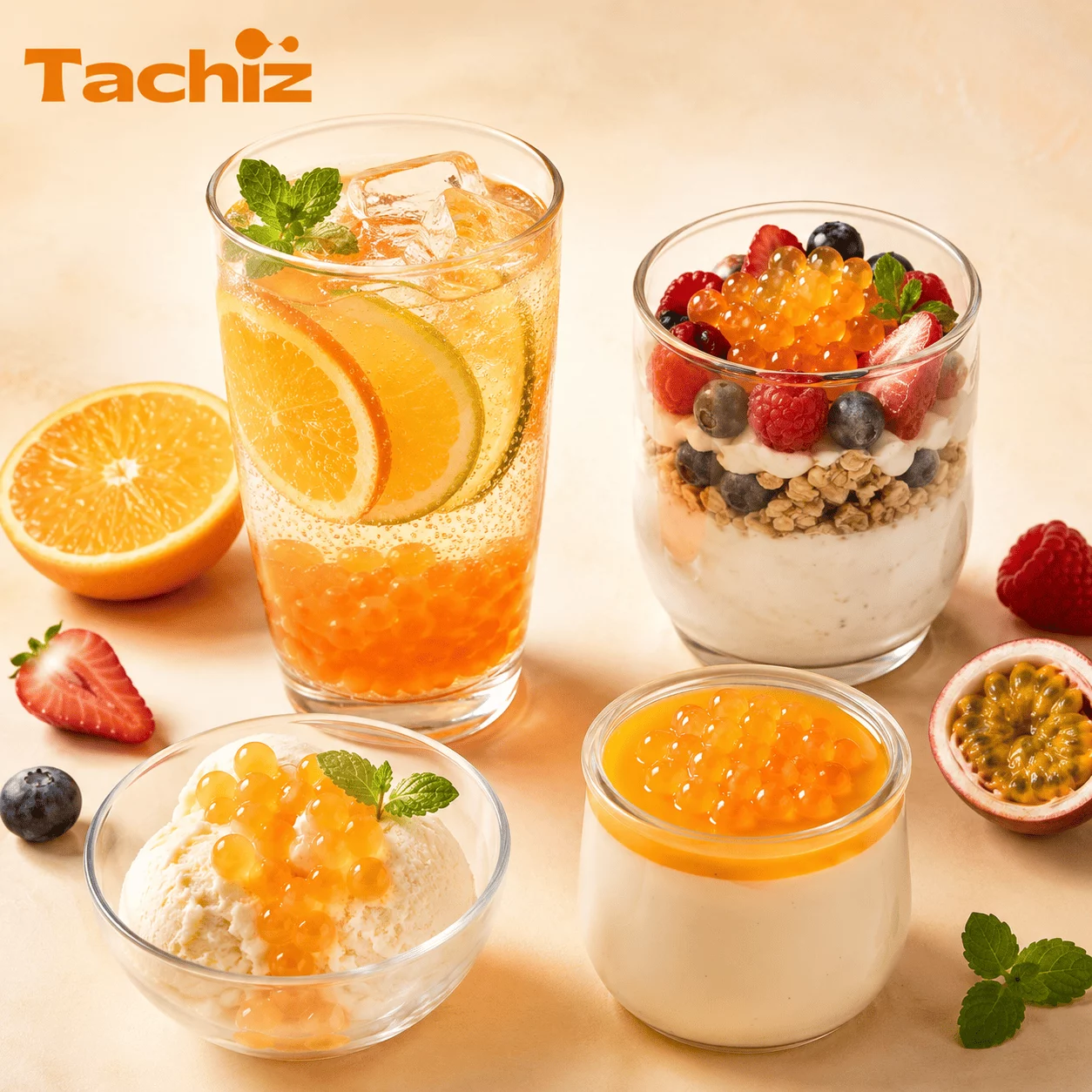
 The difference between these two sizes goes beyond diameter. Each size creates a different eating experience, visual effect, and range of product applications.
10mm Standard: a more noticeable burst from each pearl, larger and more eye-catching pearls, usually requires a wider straw, and suits handcrafted drinks, frozen desserts, and yogurt cups where the pearls should be a prominent textural highlight.
5mm Mini: more pearls per mouthful for an even texture, a refined and lightweight appearance, compatible with standard straws, and suits RTD bottled drinks and refined plating where the pearls should blend evenly into the overall experience.
 Standard 10mm popping boba works best when consumers should immediately notice the pearls. Its larger size creates visible layers in transparent drinks and delivers concentrated bursts when consumed.
Potential applications include:
 Smaller 5mm popping boba allows consumers to enjoy more pearls per mouthful, distributing the bursting sensation evenly throughout products. This creates a lighter, more refined, continuous textural experience compared to the stronger individual burst of standard sizes.
Suitable applications to evaluate include:

 Size represents only the initial consideration. Testing should also include:


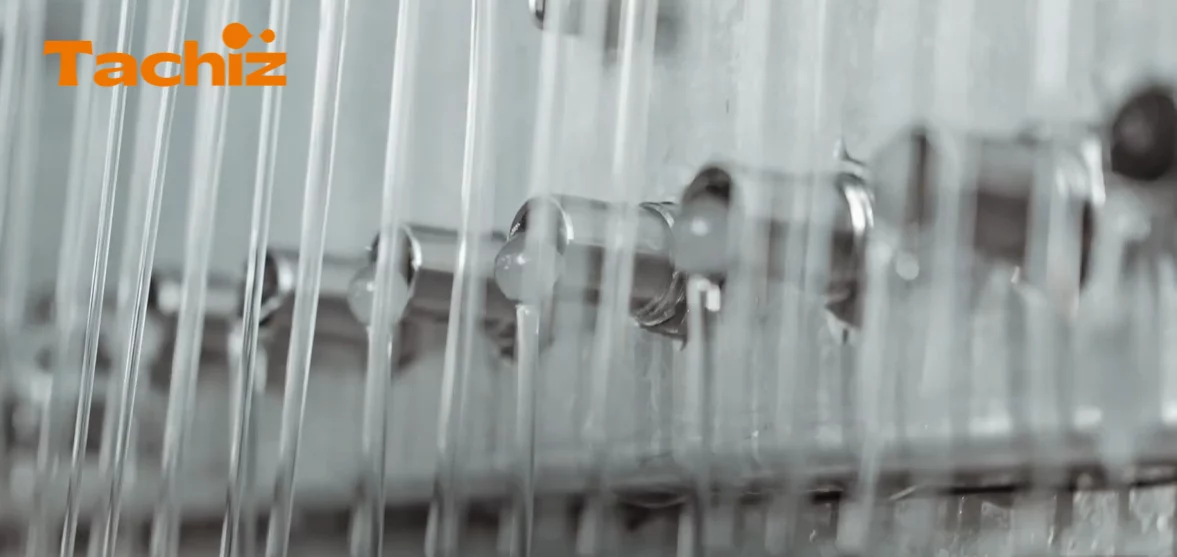


 Tachiz, Taiwan's pioneer in beverage texture innovation, announces its participation at SEOUL FOOD 2026, with booth presence at KINTEX Hall 4, Booth 4F501.