
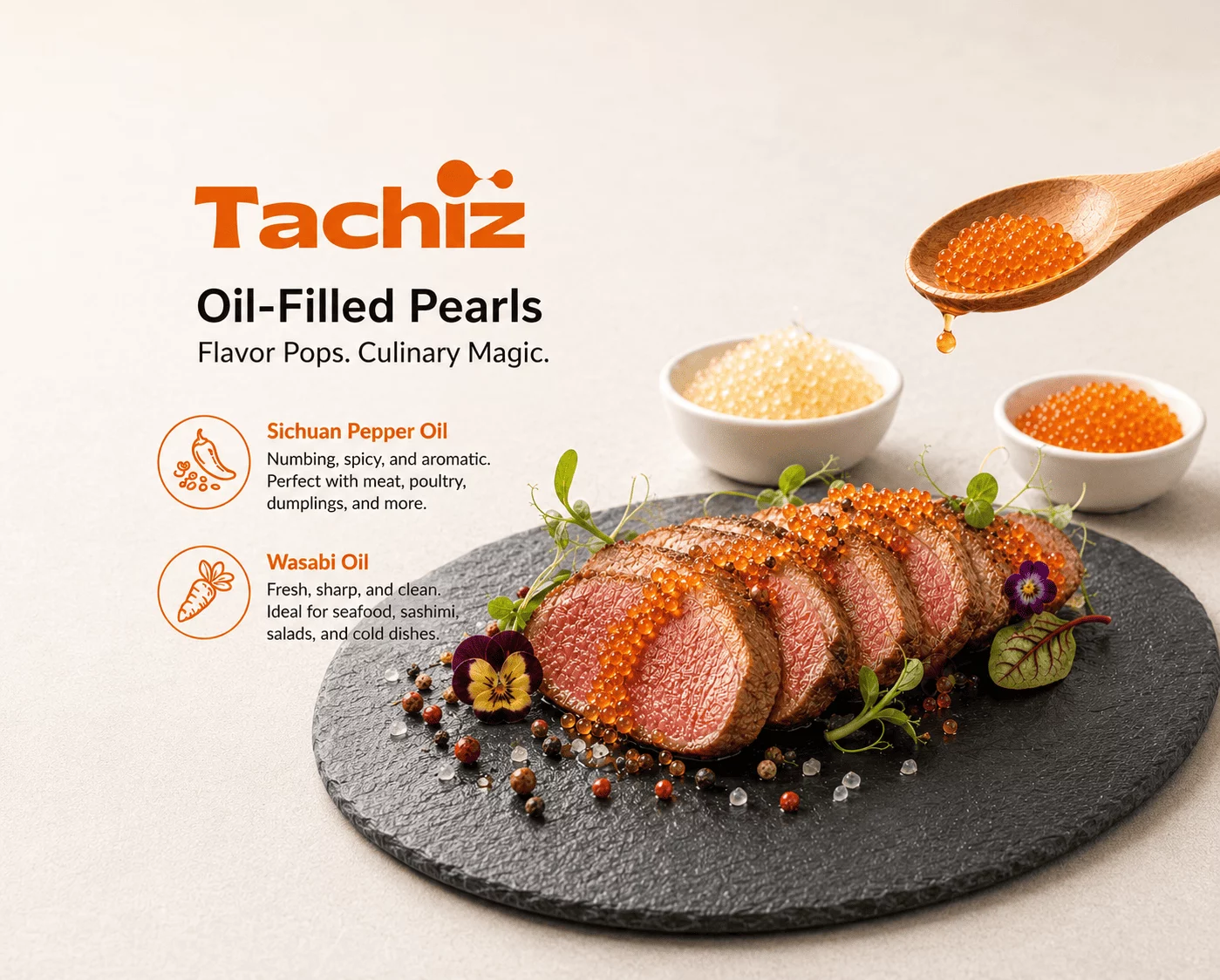
When serving a dish with oil-filled popping pearls, the culinary experience is not actually complete when it arrives at the table.
The real completion happens at the moment the guest bites into an oil-filled pearl.
Modern cuisine is no longer focused only on whether flavors are balanced. It also places greater importance on how guests participate in, experience, and remember a dish.
From the visual arrangement on the plate and the order in which ingredients are eaten to the timing of aroma release, every detail can become part of the dining experience. Oil is also no longer merely a medium for carrying aroma or adding a smooth mouthfeel. It can further become a tool for chefs to design the rhythm of a dish.
What Are Oil-Filled Popping Pearls?
Oil-filled popping pearls are an innovative ingredient made by encapsulating flavored oils within an edible membrane. They can be filled with Chili oil, wasabi oil, or other specialty flavored oils.
When placed intact on a plate, oil-filled popping pearls maintain a rounded and refined appearance. Only when the guest gently bites into them does the outer membrane break, releasing the encapsulated oil and aroma in a concentrated burst.
This “delayed-release” design means that the tasting experience does not occur all at once. Instead, it creates changes in flavor across the beginning, middle, and later stages of each bite.
Guests may first experience the natural sweetness of sashimi, the roasted aroma of beef, or the refreshing taste of a salad. Then, after biting into an oil-filled pearl, they encounter the sharp heat of wasabi or the numbing aroma of Chili.
A single small oil-filled pearl can give familiar ingredients a clear and distinctive flavor transition.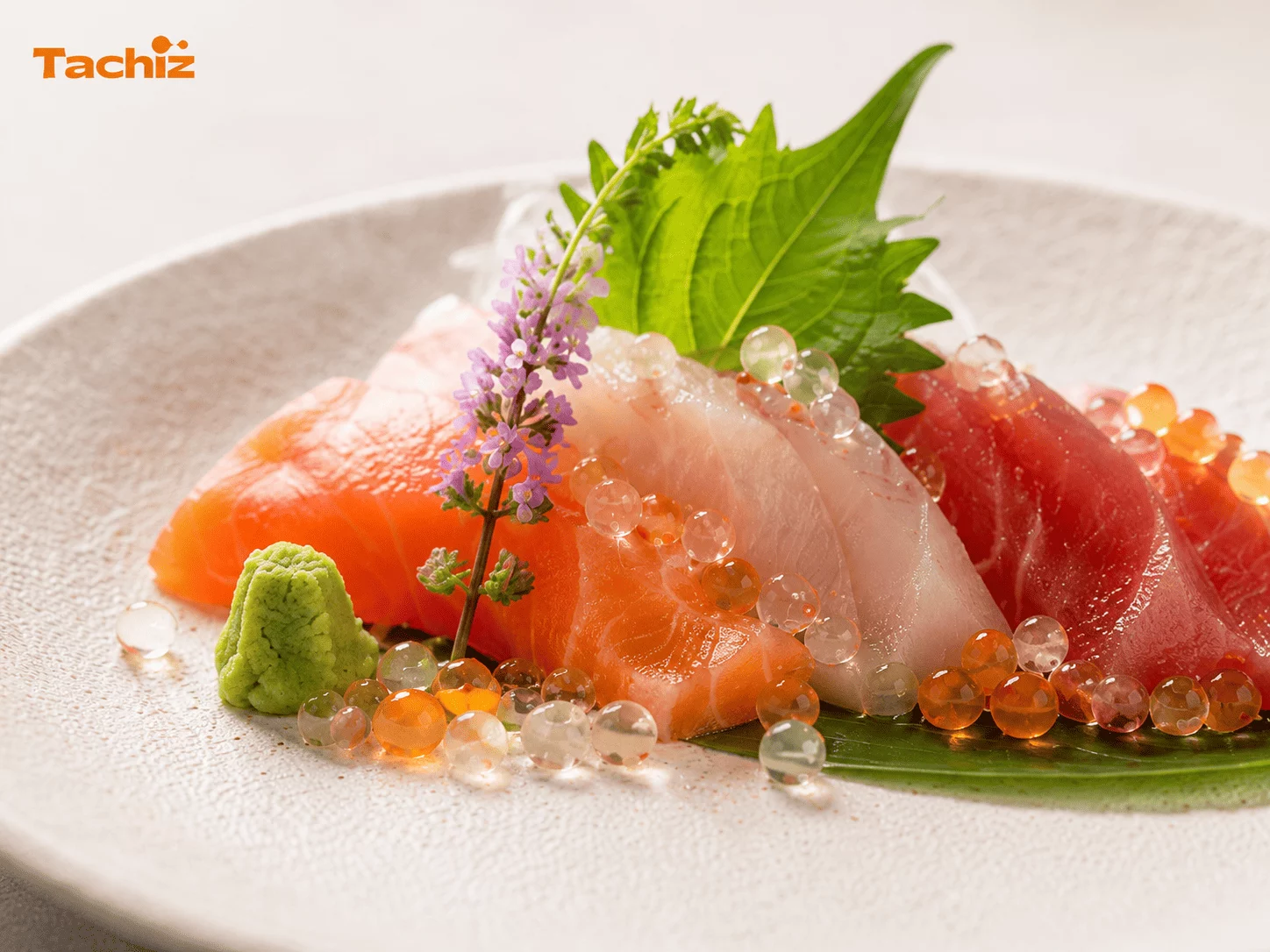
How Are Oil-Filled Popping Pearls Different from Traditional Oil Drizzling?
Traditional methods such as drizzling oil, mixing sauces, or seasoning ingredients allow the oil to begin blending with the food as soon as the dish is served. This can distribute flavor evenly, but it may also cause different flavors to mix too early, reducing the distinction between ingredients.
The greatest feature of oil-filled popping pearls is their ability to control the timing of flavor release.
Chefs do not only decide what a dish should taste like. They can also arrange:
When the aroma appears, how the intensity develops, and what action the guest must take to activate it.
Oil-filled popping pearls can be placed beside specific ingredients to guide guests in pairing them together. They can also be distributed across the plate so that each bite creates a different flavor variation.
The dish is therefore no longer a static presentation. It becomes an experience that gradually unfolds according to the order in which it is eaten.
Different Ways of Eating Create Different Flavor Experiences
Oil-filled popping pearls can be tasted on their own or eaten together with meat, seafood, cold dishes, salads, or appetizers.
Eating the ingredient first and then biting into the oil-filled pearl separately allows guests to clearly experience the change in flavor before and after the pearl bursts. Eating the pearl and the ingredient together allows the oil, aroma, and food to instantly combine in the mouth.
Even with the same dish, simply changing the order of eating can create a completely different experience.
This is the value of oil-filled popping pearls in interactive cuisine: the chef designs the path of flavor, while the guest completes the experience through their own choices.
Each oil-filled pearl is like a “flavor switch” within a dish.
What Dishes Pair Well with Wasabi Oil-Filled Popping Pearls?
Wasabi oil-filled popping pearls offer a refreshing and clean sharpness, making them suitable for seafood, Japanese cuisine, and cold appetizers.
When paired with sashimi, the wasabi aroma is released in a concentrated burst after the pearl is bitten. There is no need to spread wasabi directly onto the fish, allowing the natural sweetness of the fish to remain intact.
When paired with scallops, white fish, or shrimp, wasabi oil-filled popping pearls add a clean and distinct aromatic transition to the seafood, preventing sauces from overwhelming the delicate flavor of the ingredients.
They can also be used with cold noodles, sushi, Japanese appetizers, and refreshing salads, adding a more interactive form of seasoning to the dish.
What Dishes Pair Well with Chili Oil-Filled Popping Pearls?
Chili oil-filled popping pearls offer distinctive numbing aromas and layers of spice. They are suitable for beef, duck breast, chicken, dumplings, and Asian-inspired dishes.
When paired with beef or duck breast, guests can first experience the roasted aroma and rich sweetness of the meat. Then, during the later stages of chewing, they can bite into the Chili oil-filled pearl, allowing the numbing sensation, aroma, and richness of the oil to unfold together.
When paired with chicken, pan-fried dumplings, or creative Chinese dishes, Chili oil-filled popping pearls can also replace part of the traditional chili oil. Instead of spreading the spice evenly across the entire dish, the flavor can be concentrated within a specific bite.
This design not only preserves the original flavor of the ingredients but also creates a clearer contrast between the beginning and later stages of the dish.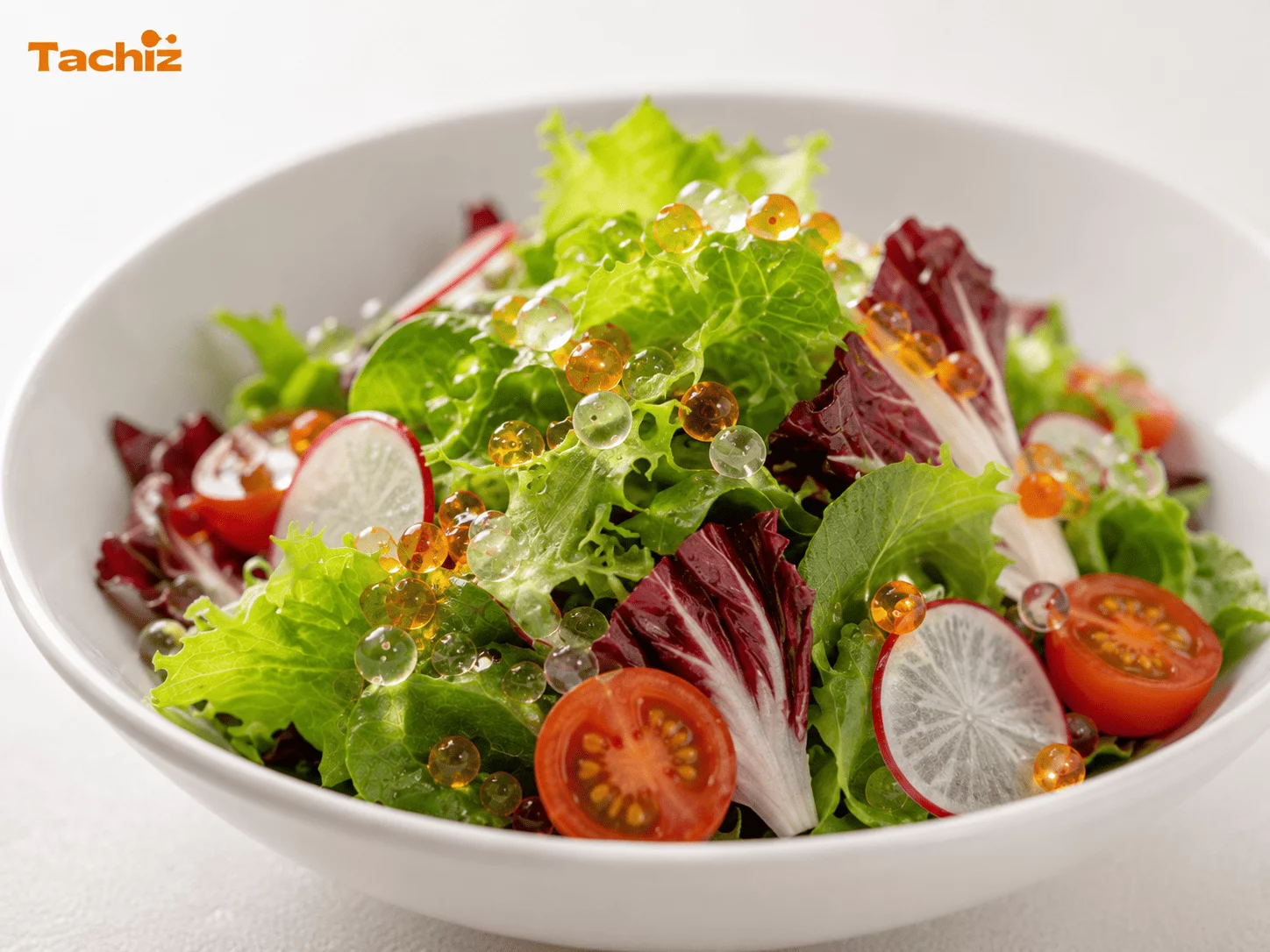
How Do Oil-Filled Popping Pearls Enhance Interaction in a Dish?
The most important value of oil-filled popping pearls is not only their flavor, but also the way they change the guest’s role in the dining experience.
Guests are no longer passively receiving flavors arranged by the chef. Through the actions of “choosing a pairing” and “biting into the pearl,” they actively participate in the final step of the dish.
Guests can choose to eat the pearl on its own, eat it together with the main ingredient, or pair different flavored oil-filled popping pearls with different ingredients. Each choice produces a different flavor result.
From seeing the intact pearl and deciding how to pair it to biting into it and experiencing the instant release of aroma, the entire process combines visual appeal, touch, texture, and aroma.
This design, which is “personally activated by the guest,” also makes it easier to create memorable and shareable dining moments.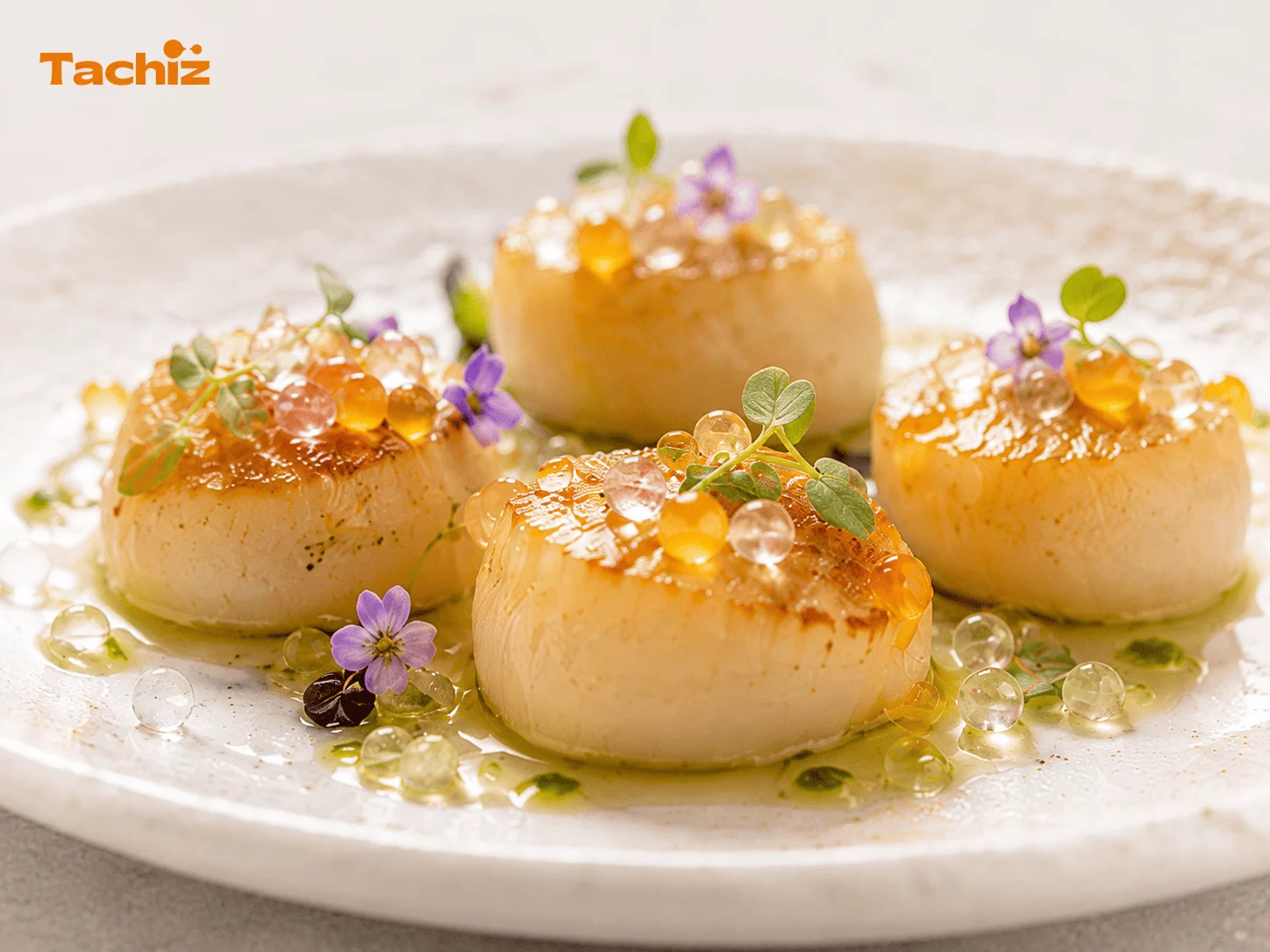
More Than Plating—A Culinary Design Tool
The rounded and translucent appearance of oil-filled popping pearls can certainly add refinement to a plate, but they should not be viewed only as decoration.
For chefs, oil-filled popping pearls are a culinary tool that integrates aroma, texture, visual presentation, eating order, and interaction.
By controlling the number, position, spacing, and ingredient pairings of the popping pearls, chefs can arrange the rise and fall of flavor throughout a dish.
Oil-filled popping pearls allow oil to be preserved until the most suitable moment, rather than simply being drizzled over the surface of a dish, so that it can burst in a concentrated way inside the guest’s mouth.
They give the dish a distinct “moment of occurrence” and transform the guest from a taster into part of the experience.
The chef designs the path of flavor, and the guest activates the final step.
Let oil do more than sit on the surface of a dish. Let it burst in the mouth.
The moment an oil-filled pearl is bitten, the dish is finally complete.
Learn more about Tachiz:
https://tachizgroup.com/about-us/